

Meeting the needs of both medical staff and patient
The Vivo 65 is designed to meet the needs both of medical staff and a wide range of patients. It combines comfortable and controllable ventilation with excellent monitoring capabilities to potentially reduce readmissions to acute care facilities.
The Vivo 65 is an advanced homecare ventilator designed to deliver secure and comfortable (life-support) treatment to adult and pediatric patients from 5 kg. The Vivo 65 can be used for a wide variety of patients thanks to a comprehensive set of modes, circuits and accessories.
The dual limb circuit allows for measurement of exhaled volumes providing additional security. The extensive moni- toring capabilities help obtain a better insight into the quality of ventilation. The Vivo 65 is an excellent choice for mechanical ventilation at home, in the hospital and in long- term care facilities. The Vivo 65 is prepared for connection to Breas cloud solutions.
Delivering Confidence and Simplicity during Neuromuscular Blockade
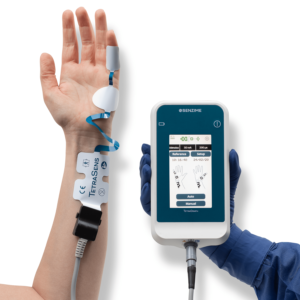
TetraGraph is a quantitative neuromuscular transmission monitor based on electromyography (EMG). The TetraGraph monitor stimulates, measures, analyzes and displays muscle function in surgical patients receiving neuromuscular blocking agents (NMBAs). NMBAs are used in almost 50% of surgical cases. Inadequate reversal of NMBAs can lead to residual neuromuscular blockade (RNMB). RNMB delays recovery and can lead to life-threatening complications. To prevent complications, quantitative neuromuscular monitoring is rapidly becoming the standard of care when NMBAs are administered.
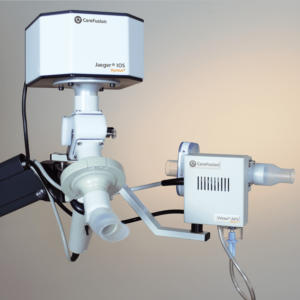
IOS Impulse Oscillometry
Tidal breathing analysis with Impulse Oscillometry (IOS) has demonstrated to be informative and differentiated in the early detection and follow up of pulmonary diseases like asthma, COPD and idiopathic pulmonary fibrosis. IOS is almost independent of patient cooperation and can test a larger patient range than spirometry alone, from children to adult to geriatric patients.
IOS is available as a stand-alone device combined with a spirometry measurement program (MasterScreen IOS and Vyntus IOS) or as an add-on module to the MasterScreen series.

The dual-valved LiteAire MDI holding chamber: Collapsible, disposable paperboard design.
The LiteAire® collapsible MDI holding chamber is a unique MDI holding chamber and an innovative alternative. LiteAire’s unique dual-valved MDI holding chamber design delivers pop-up convenience and effective drug output at a fraction of the cost of most plastic holding chambers. In many clinical settings, the LiteAire can reduce costs by replacing existing rigid plastic holding chambers or inefficient spacers with a paperboard alternative. The unique design allows the LiteAire to be reused by a patient over multiple doses and meets and often exceeds the performance of plastic holding chambers.
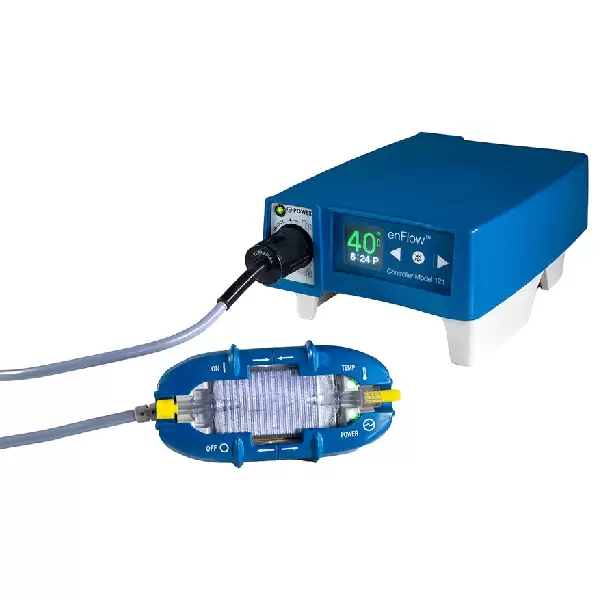
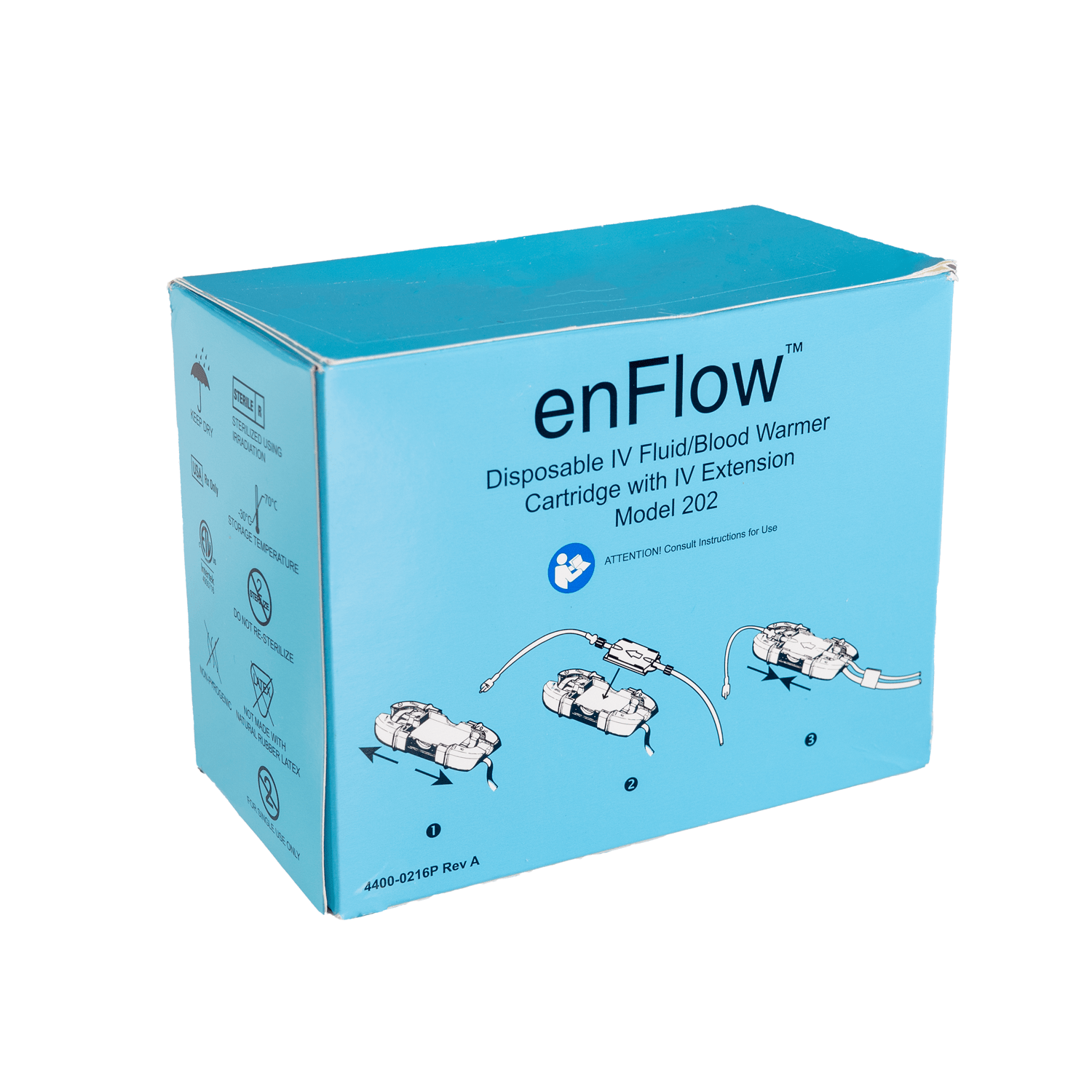
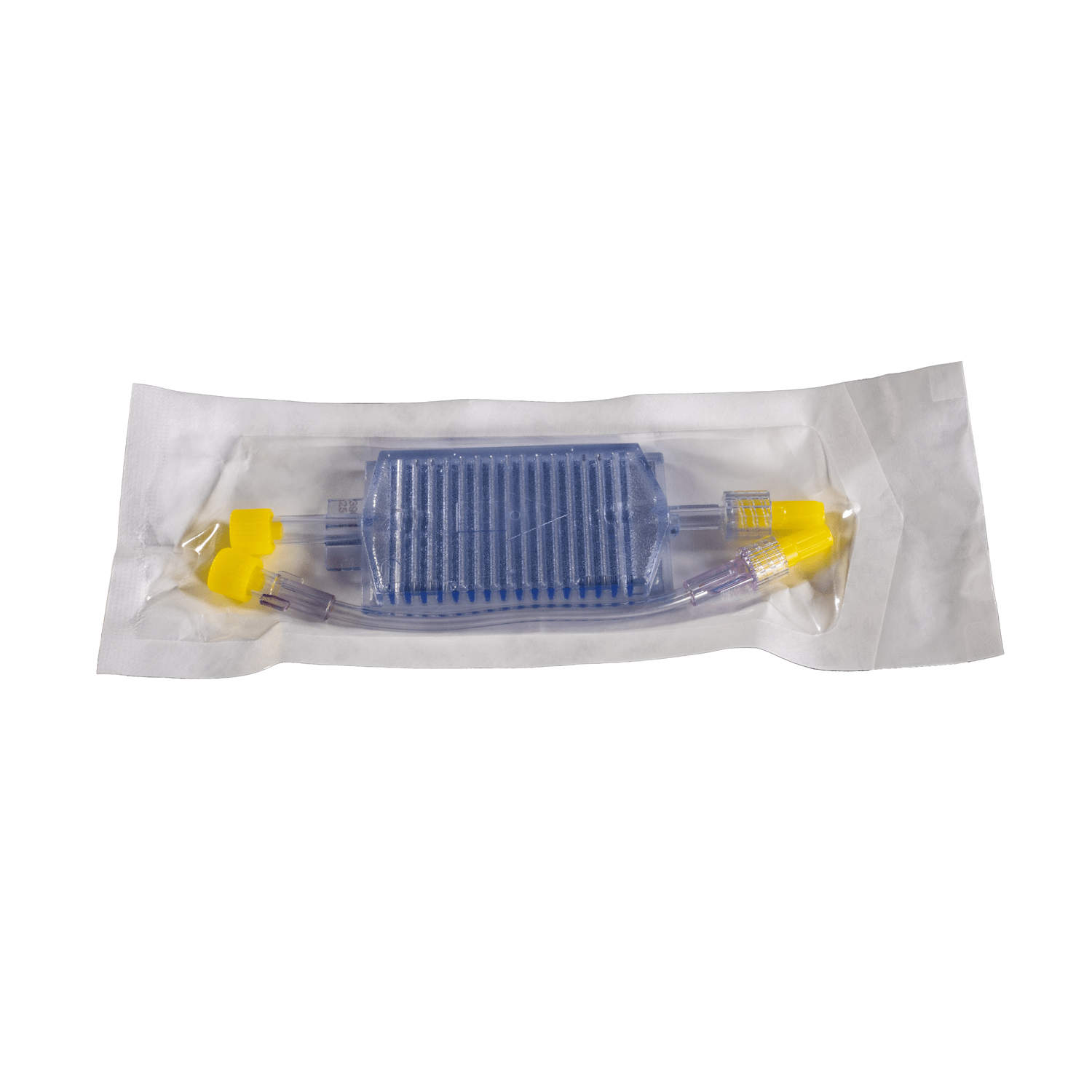
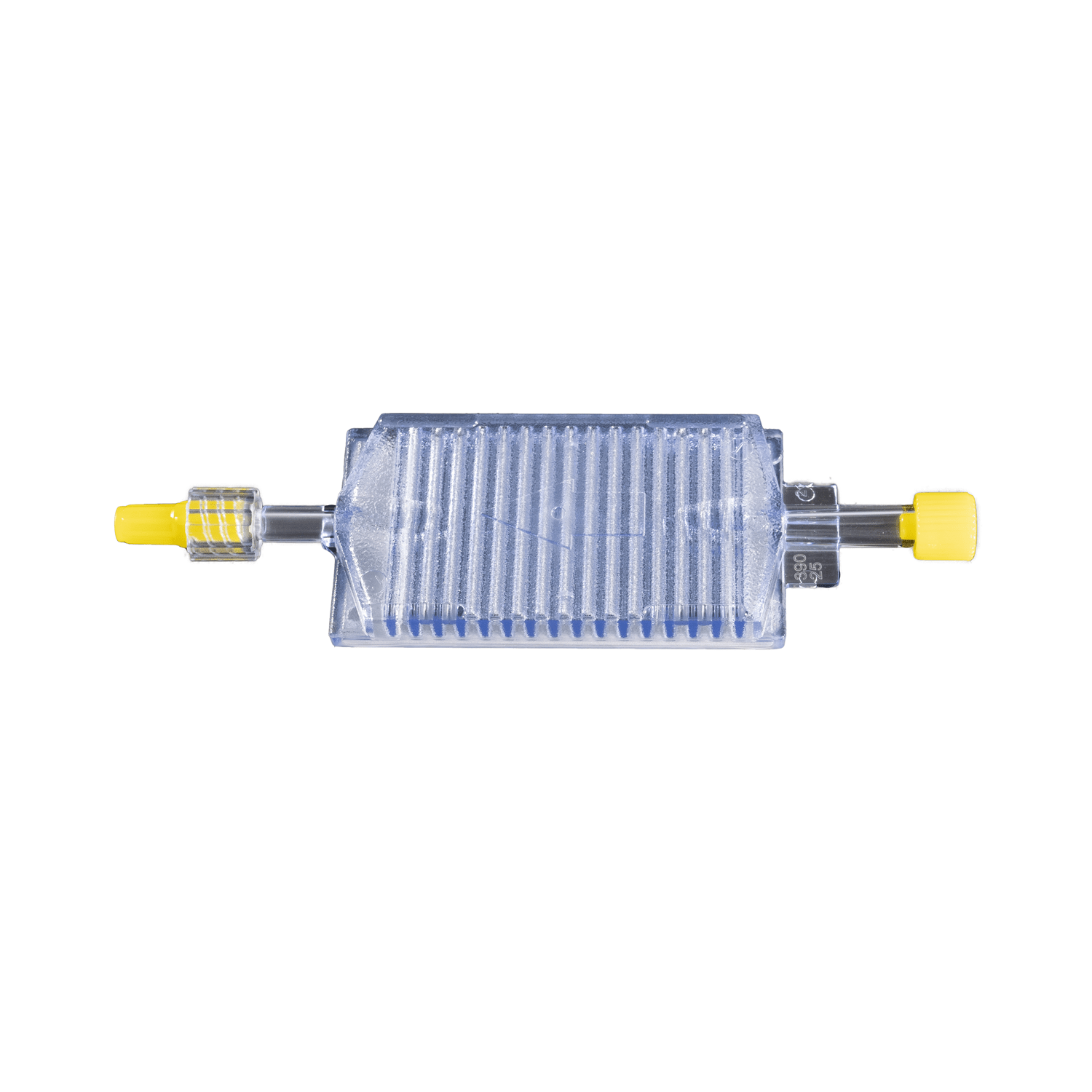
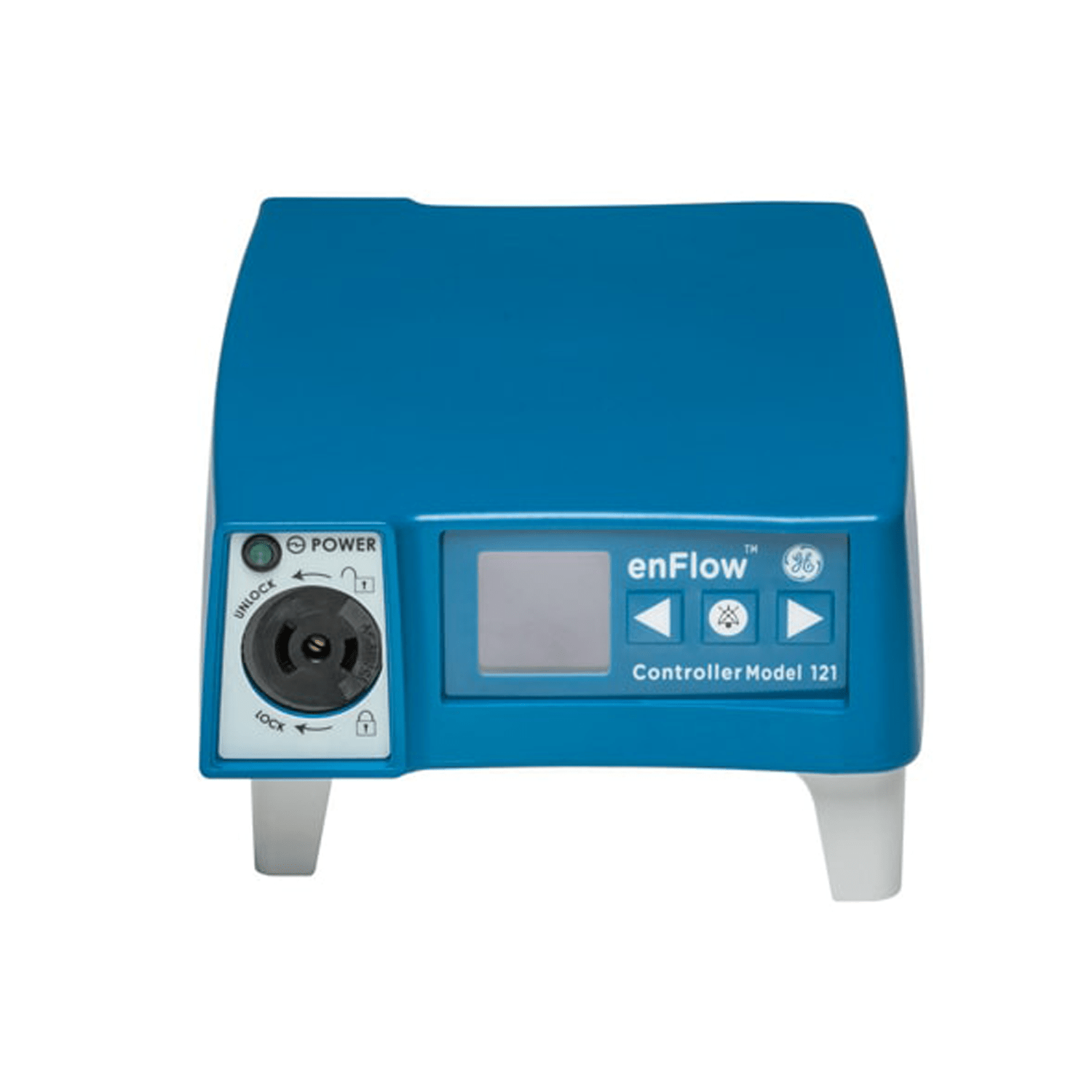
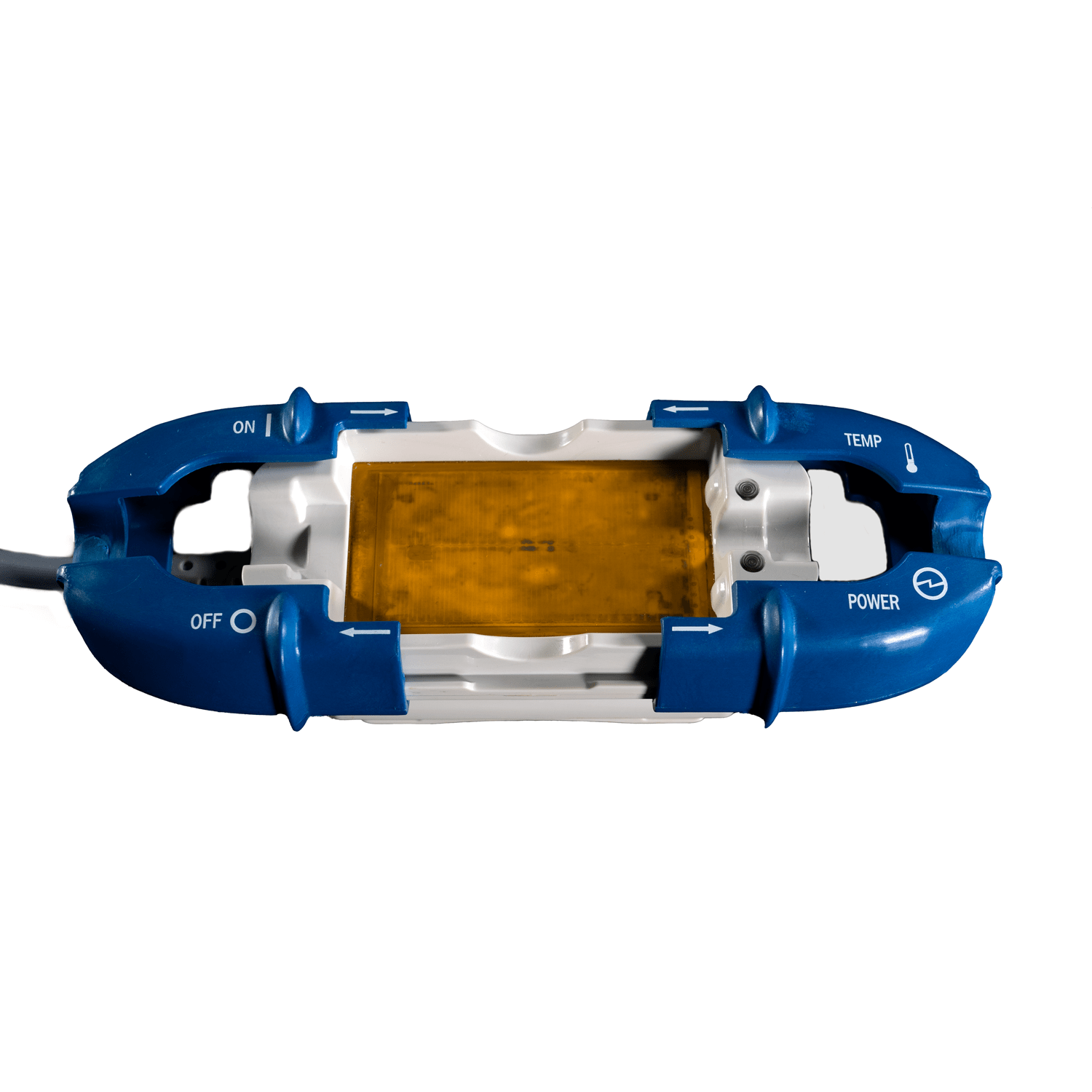
 enFlow Brochure