Glucose and Lactate analyzers for athletes
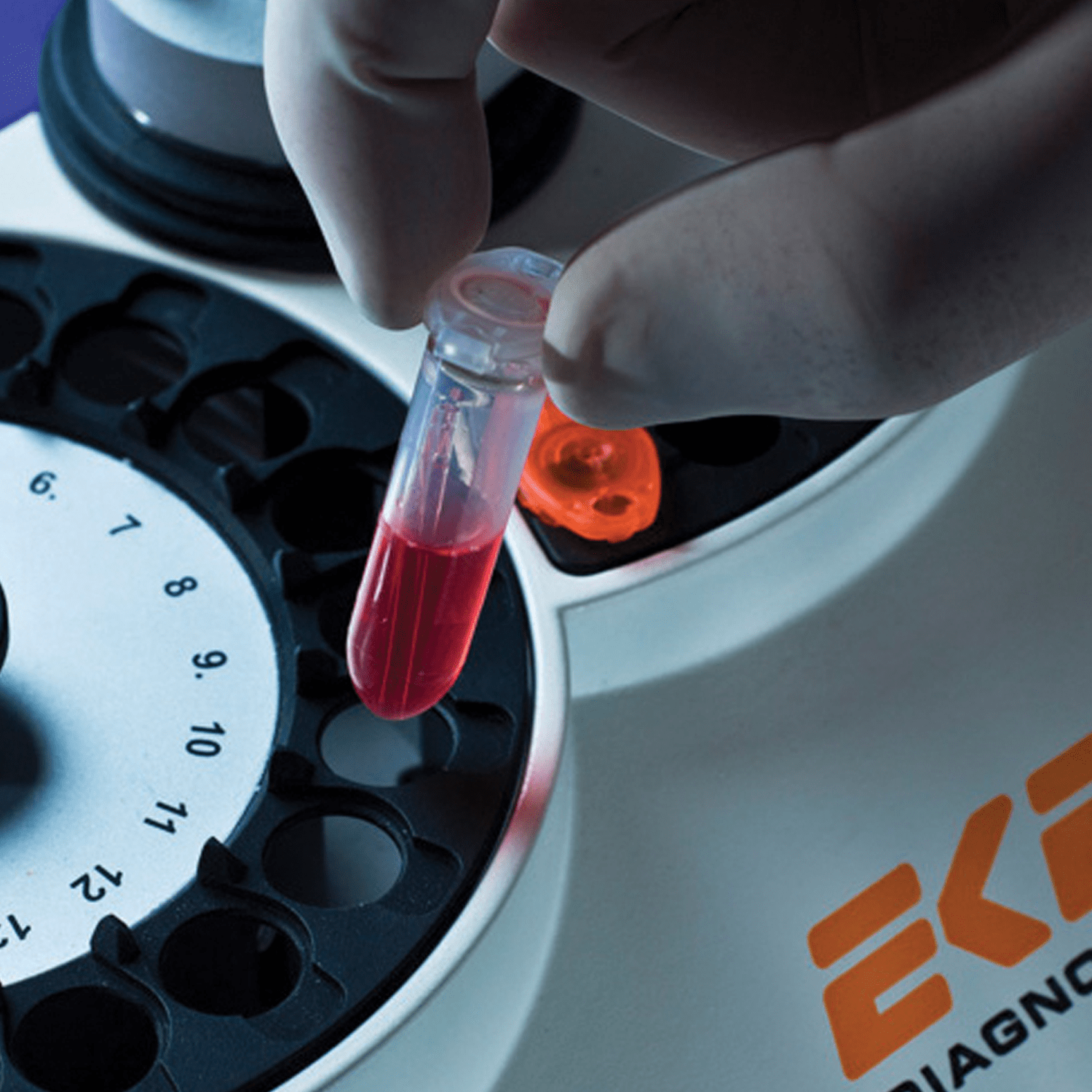
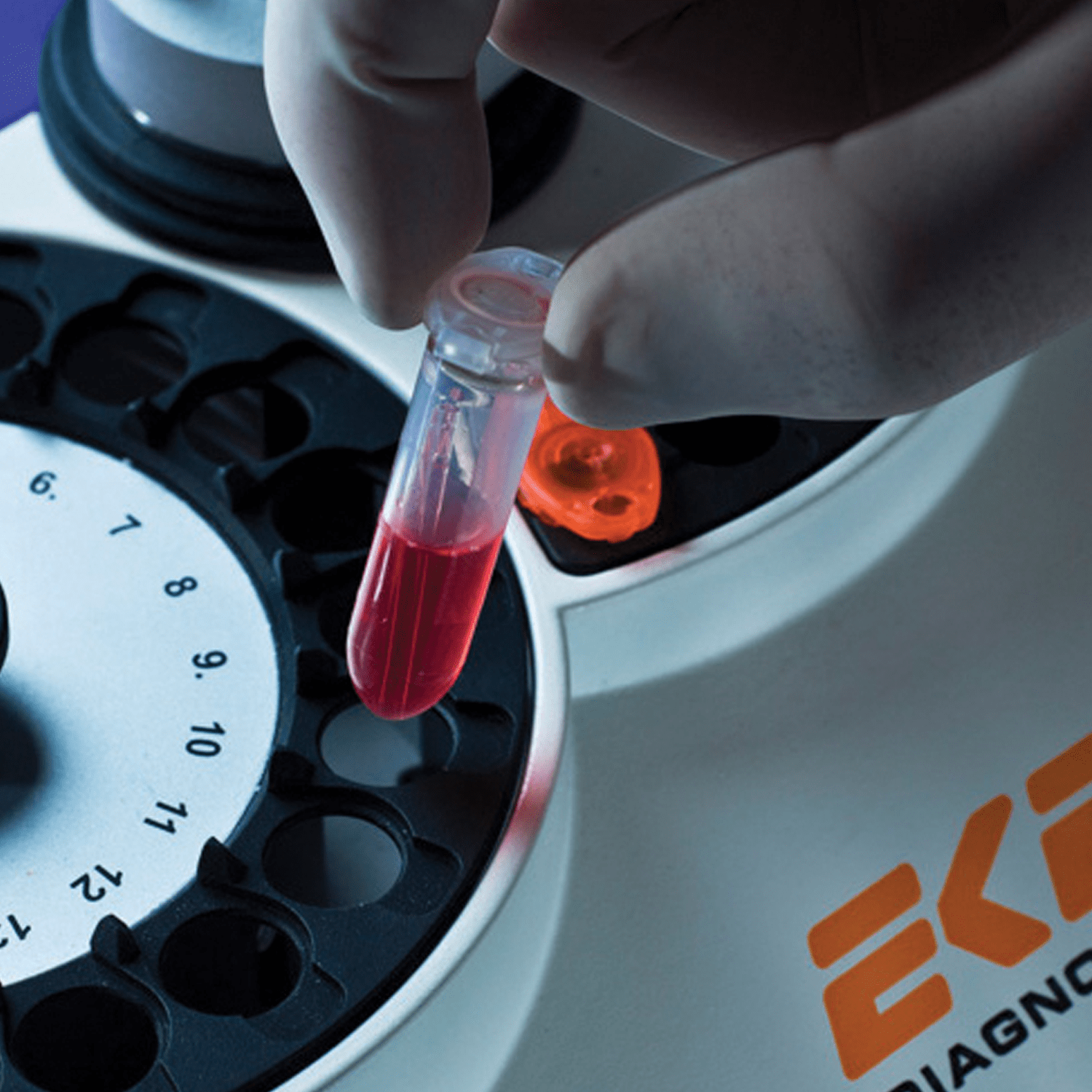
Biosen analyzers can be manufactured as single channel lactate systems or as dual channel systems that can measure glucose at the same time. Biosen uses a special chip sensor technology to deliver fast measurements with a high degree of accuracy at a low cost per test. Due to the long life of the sensor chip the system requires little maintenance, features such as the touch screen and large memory only add to the Biosen analyzer’s user-friendliness.
An integrated barcode reader and printer are also available with most configurations, allowing entire teams of athletes to have multiple step-tests during training.
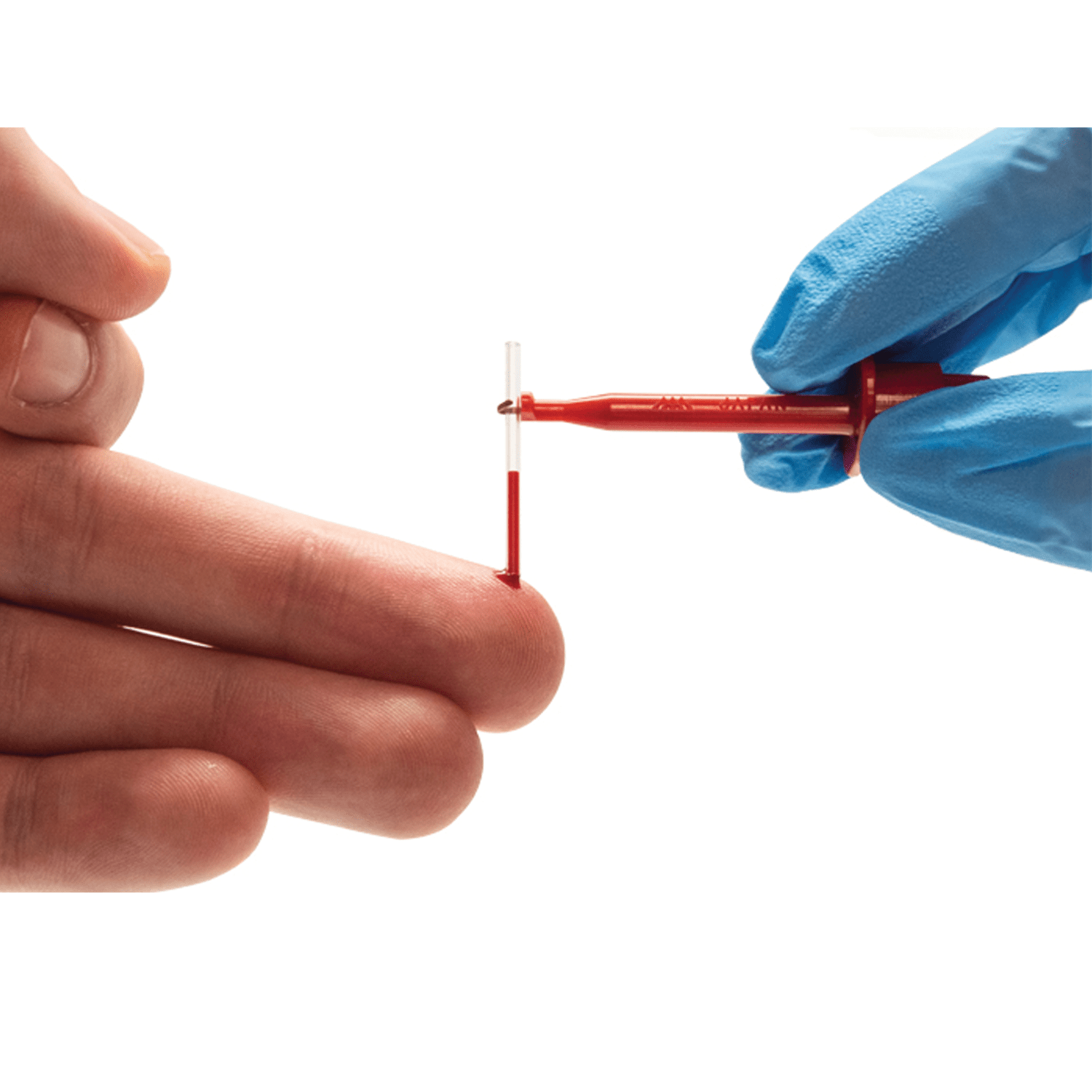
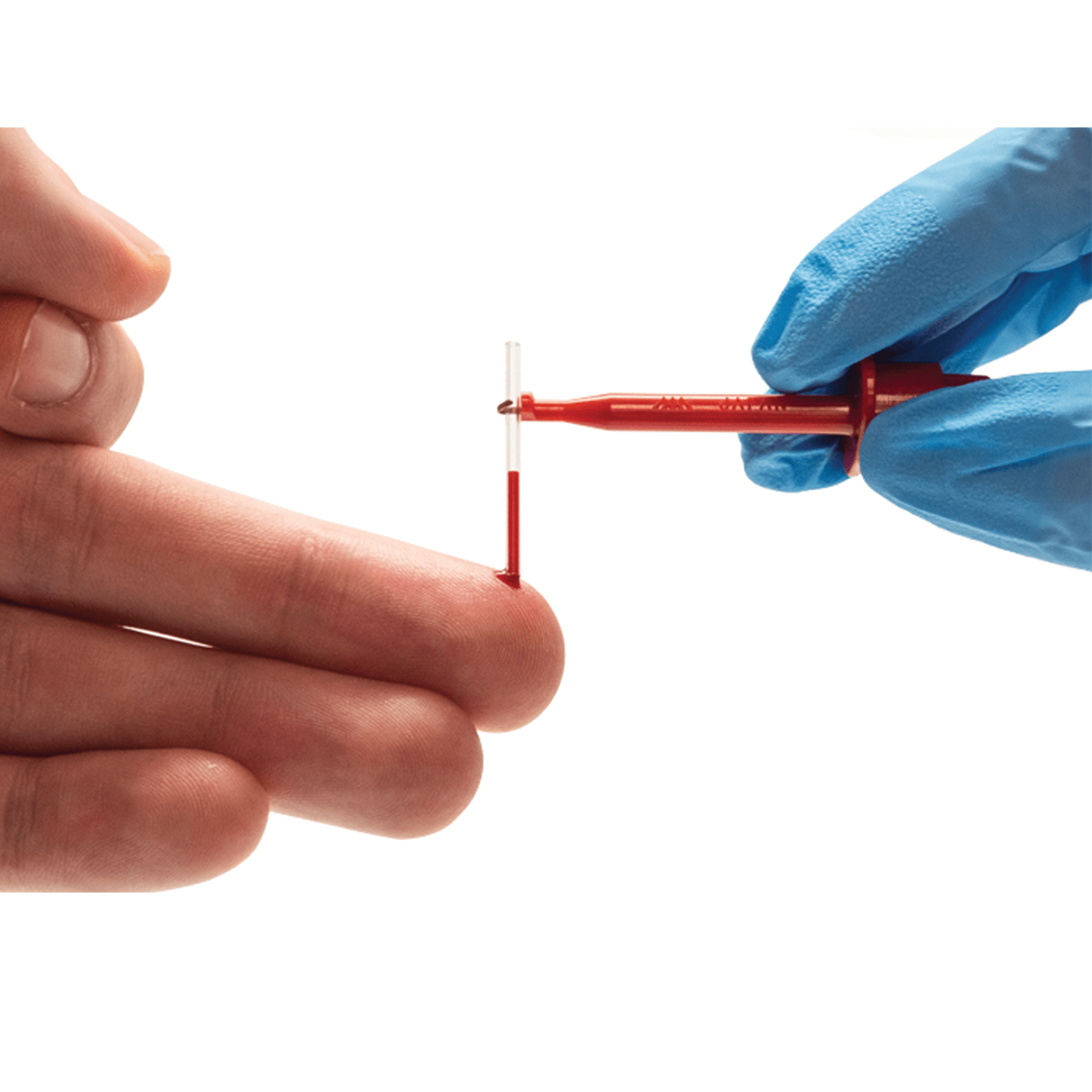
Biosen can test blood, plasma or serum to provide lactate and glucose values with excellent precision (less than 2% CV) over a wide measurement range.
Easy to use
Accurate and reliable
Maximum efficiency and convenience
Efficient data handling
Lactate is produced when the muscles use carbohydrates to create energy for exercise. The underlying metabolic process is the glycolysis. It happens continuously but increases when energy demand is high for a prolonged period of time and availability of oxygen to the cells is limited.
Increased glycolysis produces hydrogen ions and lactate, and it’s the hydrogen ions that cause pain, sore muscles, cramps and fatigue. The body protects itself by telling you: “I can’t do this anymore”.
Regular endurance sports should only take place within the respective ‘lactate steady-state’ – a well-balanced relationship between lactate production and elimination.
Lac [blood] = Lac [produced] ¬ Lac [eliminated ]
During endurance exercises such as long-distance running and cycling, when the demand for energy is high, lactate is produced faster than the ability of the tissues to remove it. As a result, lactate concentration in the blood begins to rise.
The use of a lactate analyzer helps coaches and athletes to determine optimum training programs, define training zones, and avoid inefficient training exercises.
Intense training teaches the body to use lactate as a source of fuel on a par with the carbohydrates stored in muscle tissue and blood sugar. Athletes increase their lactate threshold by training harder, this means their blood lactate increases later and they can maintain a higher workload.
In fitness, sports, and cardio-rehabilitation measuring lactate is supportive to define training intensities for maximum fat catabolism, increases in endurance, and avoid critical over-exhaustion.
With higher exercise intensity the lactate level in the blood reaches the anaerobic threshold or the onset of rapid blood lactate accumulation. This point can be determined in step tests with increasing training intensity in defined intervals e.g., on a treadmill, bicycle or in a field test. The higher the level of effort is when the rise of lactate indicates the anaerobic threshold the better is the performance status of the athlete.
There are many uses of lactate in healthcare. Some of these are well established, for example lactate measurement in fitness and cardio training. As a world-leader in lactate, EKF has been closely involved in recently developed applications of lactate in obstetric medicine.
Regular endurance exercise has many benefits for health and well-being. It has been proven to lower systolic and diastolic blood pressure, improve insulin sensitivity and lower HbA1c levels, lower triglycerides and increase HDL-cholesterol. Regular power exercise, meanwhile, can increase insulin sensitivity.
The maximal fat oxidation rate is reached under long term aerobic conditions because this is when predominantly free fatty acids are used as the energy source. In contrast, under anaerobic conditions mainly carbohydrates are used for generating energy.
The measurement of lactate during step tests reveals the shift from aerobic (oxygen dependent) to complementary anaerobic (non-oxygen dependent) metabolism. The knowledge of this ‘anaerobic threshold’ can be used for the definition of training intensities and conditions to achieve optimal fitness and weight reduction.
Furthermore, lactate testing can support a secure and efficient training avoiding critical over-exhaustion
Service is essential to keep medical equipment operational and safe. Our Nordic service team consists of experienced service technicians stationed across the Nordic countries. Our service technicians are ready to take on your every service need.”

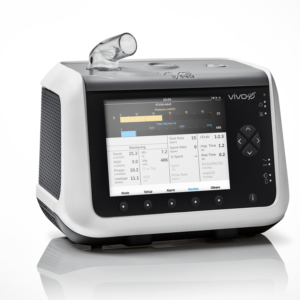
Designed For EveryDay Life – Now with Auto-EPAP and MPV
To meet the needs connected to a wide range of respiratory conditions a ventilator must offer outstanding clinical versatility and performance. But equally important, it must be designed around the patient’s life, activities and home environment. Vivo 45 is a ventilator designed to maximize independence and mobility.
Designed for everyday life
IOS Impulse Oscillometry
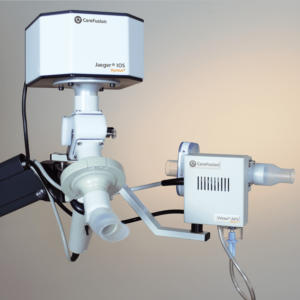
Tidal breathing analysis with Impulse Oscillometry (IOS) has demonstrated to be informative and differentiated in the early detection and follow up of pulmonary diseases like asthma, COPD and idiopathic pulmonary fibrosis. IOS is almost independent of patient cooperation and can test a larger patient range than spirometry alone, from children to adult to geriatric patients.
IOS is available as a stand-alone device combined with a spirometry measurement program (MasterScreen IOS and Vyntus IOS) or as an add-on module to the MasterScreen series.
Untethered six-minute walk test
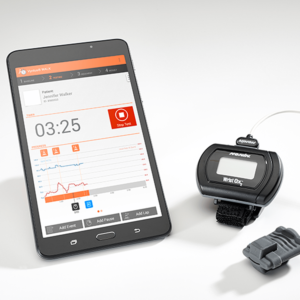
Vyntus™ WALK allows patients to perform an untethered six-minute walk test (6MWT) by wearing wireless sensors that communicate data to a technician-held tablet PC. Standardize testing to the recommended is 6MWT protocol, because consistent testing yields consistent data for comparison
The system is both patient- and technician-friendly and because we know a single sensor does not fit all clinical needs, comes with an array of easy-to-wear sensors. Because standardizing the complete testing process is critical to meaningful data for patient trending, Vyaire has integrated the complete ATS testing standards in the workflow-driven tablet software application.
Versatile Airway Clearance
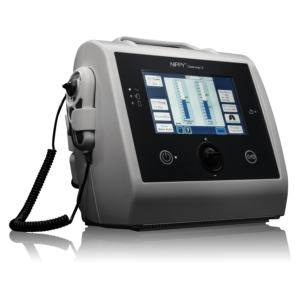
Introducing the Clearway 2 with TreatRepeat®. The second-generation MI-E device by Breas incorporates the latest technology to bring effective and accurate treatment for patients requiring airway clearance and cough assistance. TreatRepeat function allows clinicians to manually deliver different numbers of insufflations and exsufflations and then save the treatment they have just delivered to the device to be repeated automatically. Helping to improve accuracy and speed of titration and set-up.
Multiple mode options
Up to four treatment profiles can be saved to the device.The settings used in the manual and programmed modes are also saved to the device. This allows for up to 7 MI-E prescriptions to be saved. The treatment settings in the IPPB and NIV modes are also saved. The programmable mode enables the delivery of multiple insufflations as part of a cough cycle.