Glucose and Lactate analyzers for athletes
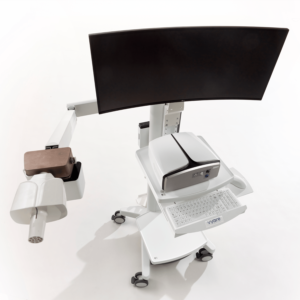
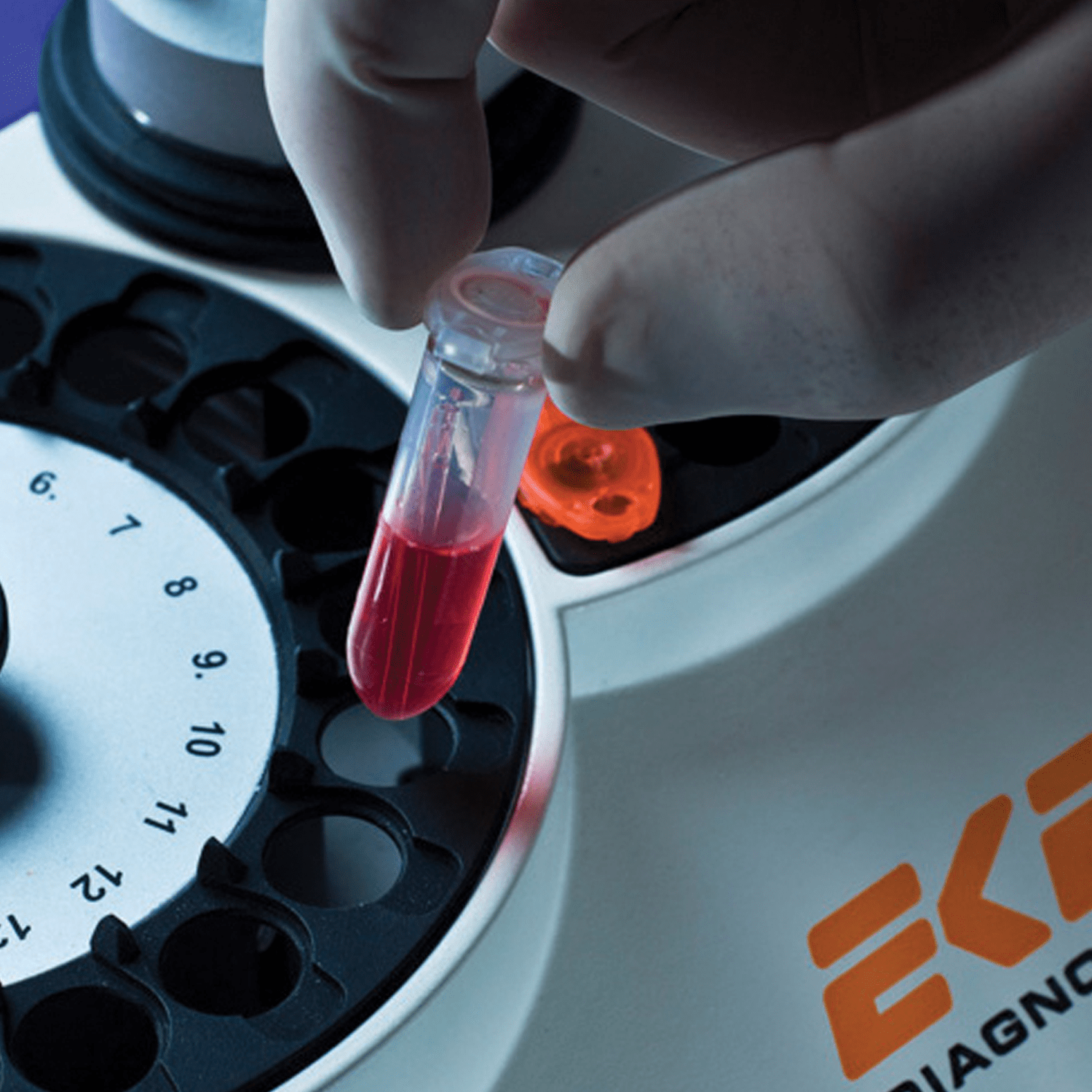
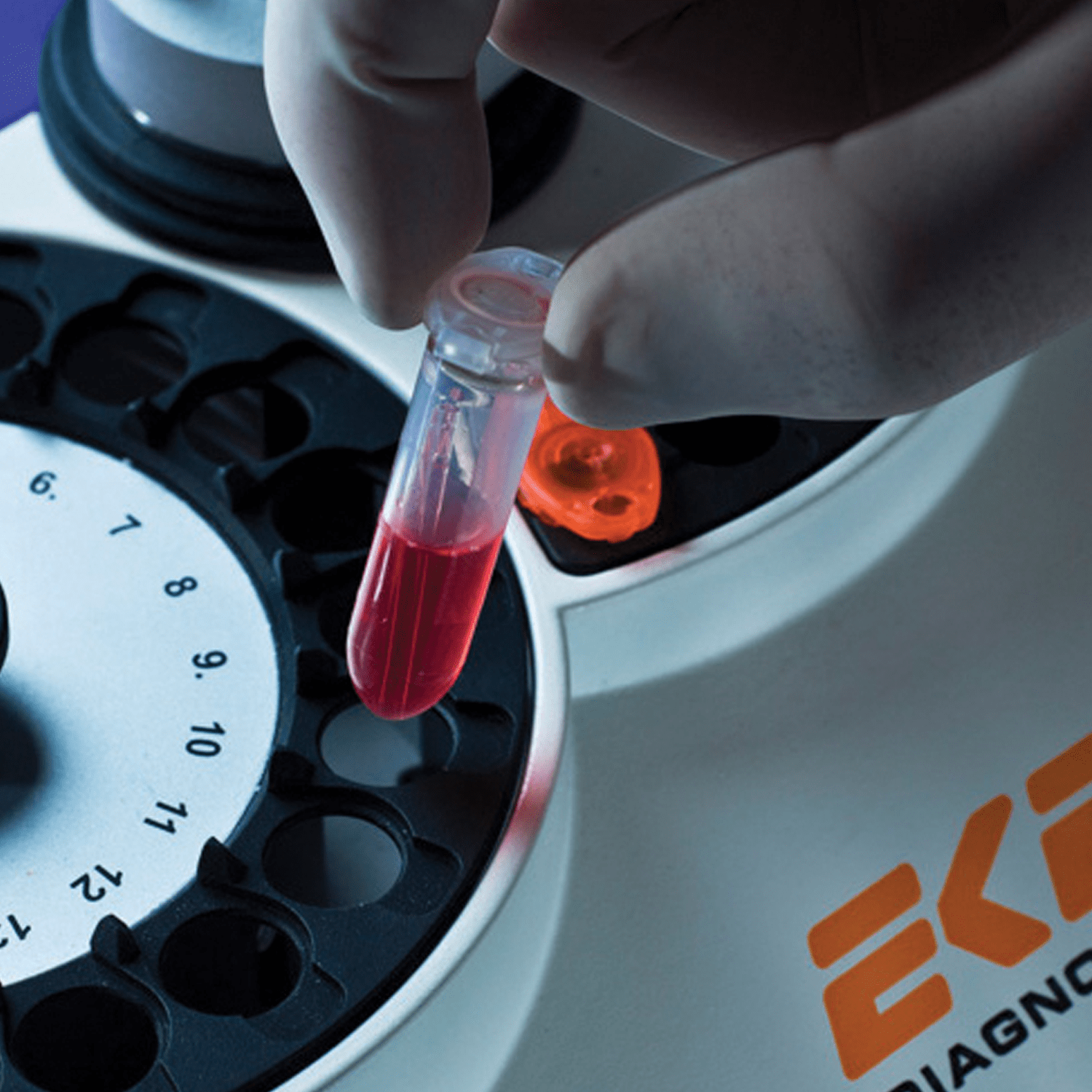
Biosen analyzers can be manufactured as single channel lactate systems or as dual channel systems that can measure glucose at the same time. Biosen uses a special chip sensor technology to deliver fast measurements with a high degree of accuracy at a low cost per test. Due to the long life of the sensor chip the system requires little maintenance, features such as the touch screen and large memory only add to the Biosen analyzer’s user-friendliness.
An integrated barcode reader and printer are also available with most configurations, allowing entire teams of athletes to have multiple step-tests during training.
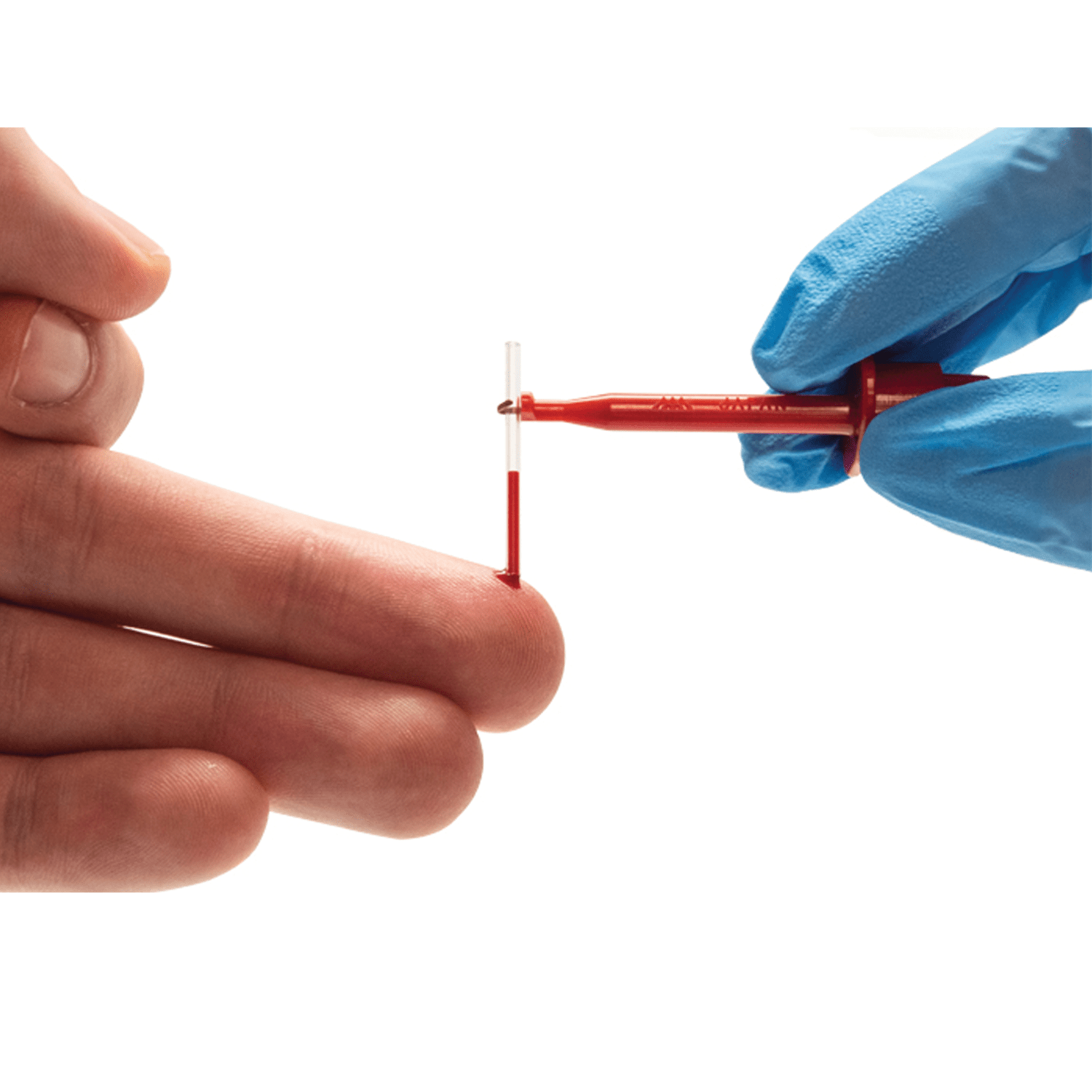
Biosen can test blood, plasma or serum to provide lactate and glucose values with excellent precision (less than 2% CV) over a wide measurement range.
Easy to use
Accurate and reliable
Maximum efficiency and convenience
Efficient data handling
Lactate is produced when the muscles use carbohydrates to create energy for exercise. The underlying metabolic process is the glycolysis. It happens continuously but increases when energy demand is high for a prolonged period of time and availability of oxygen to the cells is limited.
Increased glycolysis produces hydrogen ions and lactate, and it’s the hydrogen ions that cause pain, sore muscles, cramps and fatigue. The body protects itself by telling you: “I can’t do this anymore”.
Regular endurance sports should only take place within the respective ‘lactate steady-state’ – a well-balanced relationship between lactate production and elimination.
Lac [blood] = Lac [produced] ¬ Lac [eliminated ]
During endurance exercises such as long-distance running and cycling, when the demand for energy is high, lactate is produced faster than the ability of the tissues to remove it. As a result, lactate concentration in the blood begins to rise.
The use of a lactate analyzer helps coaches and athletes to determine optimum training programs, define training zones, and avoid inefficient training exercises.
Intense training teaches the body to use lactate as a source of fuel on a par with the carbohydrates stored in muscle tissue and blood sugar. Athletes increase their lactate threshold by training harder, this means their blood lactate increases later and they can maintain a higher workload.
In fitness, sports, and cardio-rehabilitation measuring lactate is supportive to define training intensities for maximum fat catabolism, increases in endurance, and avoid critical over-exhaustion.
With higher exercise intensity the lactate level in the blood reaches the anaerobic threshold or the onset of rapid blood lactate accumulation. This point can be determined in step tests with increasing training intensity in defined intervals e.g., on a treadmill, bicycle or in a field test. The higher the level of effort is when the rise of lactate indicates the anaerobic threshold the better is the performance status of the athlete.
There are many uses of lactate in healthcare. Some of these are well established, for example lactate measurement in fitness and cardio training. As a world-leader in lactate, EKF has been closely involved in recently developed applications of lactate in obstetric medicine.
Regular endurance exercise has many benefits for health and well-being. It has been proven to lower systolic and diastolic blood pressure, improve insulin sensitivity and lower HbA1c levels, lower triglycerides and increase HDL-cholesterol. Regular power exercise, meanwhile, can increase insulin sensitivity.
The maximal fat oxidation rate is reached under long term aerobic conditions because this is when predominantly free fatty acids are used as the energy source. In contrast, under anaerobic conditions mainly carbohydrates are used for generating energy.
The measurement of lactate during step tests reveals the shift from aerobic (oxygen dependent) to complementary anaerobic (non-oxygen dependent) metabolism. The knowledge of this ‘anaerobic threshold’ can be used for the definition of training intensities and conditions to achieve optimal fitness and weight reduction.
Furthermore, lactate testing can support a secure and efficient training avoiding critical over-exhaustion
Service is essential to keep medical equipment operational and safe. Our Nordic service team consists of experienced service technicians stationed across the Nordic countries. Our service technicians are ready to take on your every service need.”

Simplicity at your Fingertips – Now with Auto-EPAP
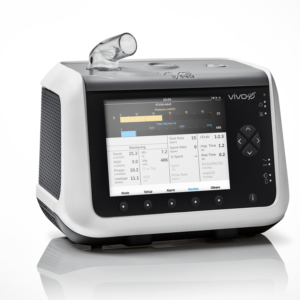
The Vivo series is a new generation ventilators designed for personalized and comfortable non-invasive respiratory support for non-dependent patients with chronic breathing insufficiency.
The intuitive interface ensures ease of use. A comprehensive set of modes and extensive monitoring capabilities allow for great flexibility, making the ventilator a perfect choice for a variety of patients.

A Non-Contact Leader in Temperature Measurement reducing Infection With Non-Contact Technology. A precision-engineered tool, designed to positively impact and better manage infection across healthcare globally. TRITEMP has proven to be the best temperature measuring solution for a wide variety of healthcare customers and medical facilities. TRITEMP directly improve the lives of patients, nurses, hospitals, healthcare and the planet. Frontline staff deserve the best tools so that they can in turn, deliver the highest patient care.

Medisorb™ CO2 Absorbent
The Medisorb™ CO2 absorbent product line supports GE Healthcare anesthesia machines. Available in a wide range of sizes and styles, it is specifically designed to help change out absorbers simply. It is also available in a low-alkaline formulation, Medisorb™ EF.
As Medisorb™ soda lime becomes exhausted, it changes colour from white to violet. With the Medisorb™ EF EX, this colour change is longer lasting, thus helping to identify previously used absorbent. The Medisorb™ EF EX will also turn violet if desiccated. Note: Colour indication is not a definitive guide to remaining absorbent life and should always be used in conjunction with CO2 monitoring.
Medisorb™ product line:

Portable hospital spirometer
AioCare is a professional system to monitor and treat pulmonary diseases, consisting of a portable hospital-grade spirometer connected to a smartphone app and an online panel to access the results. The device enables a full spirometry test to be conducted in a doctor’s office, including a bronchial challenge workflow. If monitoring needs to go beyond the healthcare system, AioCare may be used for patients at home.